
Does Aloe Vera Help Eczema? What It Contains, What the Evidence Shows & How to Use It

Aloe vera is one of the most widely used natural skincare ingredients for eczema — and unlike many plants that carry a skin-health reputation based primarily on tradition, there are specific and documented reasons why aloe vera is relevant to eczema-prone skin. The caveats matter too: commercial "aloe vera" products vary enormously in actual aloe content, and the plant is an occasional allergen that catches some people off guard.
Here's what aloe vera actually contains, what the clinical evidence shows, and how to use it appropriately.
Is aloe vera good for eczema?
Aloe vera is one of the most popular natural remedies for irritated, itchy skin — and for good reason. Its gel is cooling, soothing, and naturally anti‑inflammatory. But how well does it actually work for eczema, and when should you avoid it?
Aloe vera may help soothe eczema by hydrating the skin and reducing inflammation, but it’s not a complete solution—and doesn’t work for everyone.
In short:
May soothe irritation and dryness
Supports skin healing and moisture
Can cause stinging or reactions in some people
Doesn’t treat the root cause of eczema
Aloe vera contains anti-inflammatory and antimicrobial compounds that may help calm irritated skin and support healing, though research on eczema specifically is still limited.
What makes aloe vera relevant to eczema
The Aloe barbadensis leaf gel contains several bioactive compounds with specific relevance to inflammatory skin conditions:
Acemannan. The primary active polysaccharide in aloe vera gel. Acemannan has documented immunomodulatory, anti-inflammatory, and wound-healing properties. It stimulates fibroblast activity (relevant to skin repair), modulates macrophage activity, and has been studied in wound healing and tissue repair contexts. It forms the physical basis for aloe's cooling gel texture and much of its barrier-soothing effect.
Anthraquinones. Including aloin and emodin — compounds with antimicrobial and anti-inflammatory properties. However, aloin is also the compound responsible for aloe's laxative effect when taken orally and can cause sensitisation in some people — it is typically removed from inner-leaf gel products used on skin.
Polyphenols and flavonoids. Including quercetin and kaempferol — antioxidant and anti-inflammatory compounds also found in other plant sources discussed throughout this series. These contribute to aloe's free radical-scavenging and inflammation-moderating activity.
Vitamins C and E. Antioxidant vitamins that support skin cell protection and have mild anti-inflammatory activity.
The high water content. Aloe vera gel is approximately 99% water — its primary physical contribution to eczema skin is cooling, immediate hydration on application.
Can aloe vera make eczema worse?
Yes — and this is often overlooked.
Although aloe vera is generally safe, it can:
Cause burning or stinging
Trigger allergic reactions
Worsen irritation on broken or sensitive skin
Some people find it soothing, while others experience increased redness or itching.
This is more likely if:
your skin barrier is already damaged
you use products with added alcohol or fragrance
you apply it to open or inflamed skin
Avoid aloe if:
your skin is cracked or bleeding
you react to plants in the lily family (rare but possible)
your eczema worsens after using gel products
your gel contains alcohol, fragrance, or preservatives
Always patch‑test new aloe products on a small area of skin first.
What the clinical evidence shows
Aloe vera has been examined in clinical research for atopic dermatitis more rigorously than most natural remedy articles acknowledge:
A 2019 randomised controlled trial compared aloe vera gel to a standard emollient in mild atopic dermatitis and found that consistent aloe vera application reduced SCORAD scores comparably to the emollient, with improvements in itch, dryness, and scaling. A systematic review of aloe vera for inflammatory skin conditions found consistently positive but modest effects across multiple studies, with anti-inflammatory and moisturising effects the most reliably demonstrated.
The effect size is modest — aloe vera is not going to clear moderate-to-severe eczema — but it is genuine, and it is grounded in specific compounds rather than vague "natural" claims.
How to choose and use aloe vera for eczema
Pure aloe vera gel — 98–100% inner leaf gel, fragrance-free, alcohol-free, with minimal additives — provides the benefits described above. Checking that the ingredient list begins with Aloe barbadensis leaf juice or gel and contains no alcohol, parfum, or added fragrance is the most important selection criterion.
Application guidance: Apply a thin layer of pure gel to slightly damp, clean skin. Allow to absorb for 1–2 minutes, then apply emollient or moisturiser on top. This two-step approach provides aloe's soothing and humectant effects with proper barrier sealing from the emollient.
Patch test any new aloe product on the inside of the elbow 24 hours before broad application.
Recommended Products
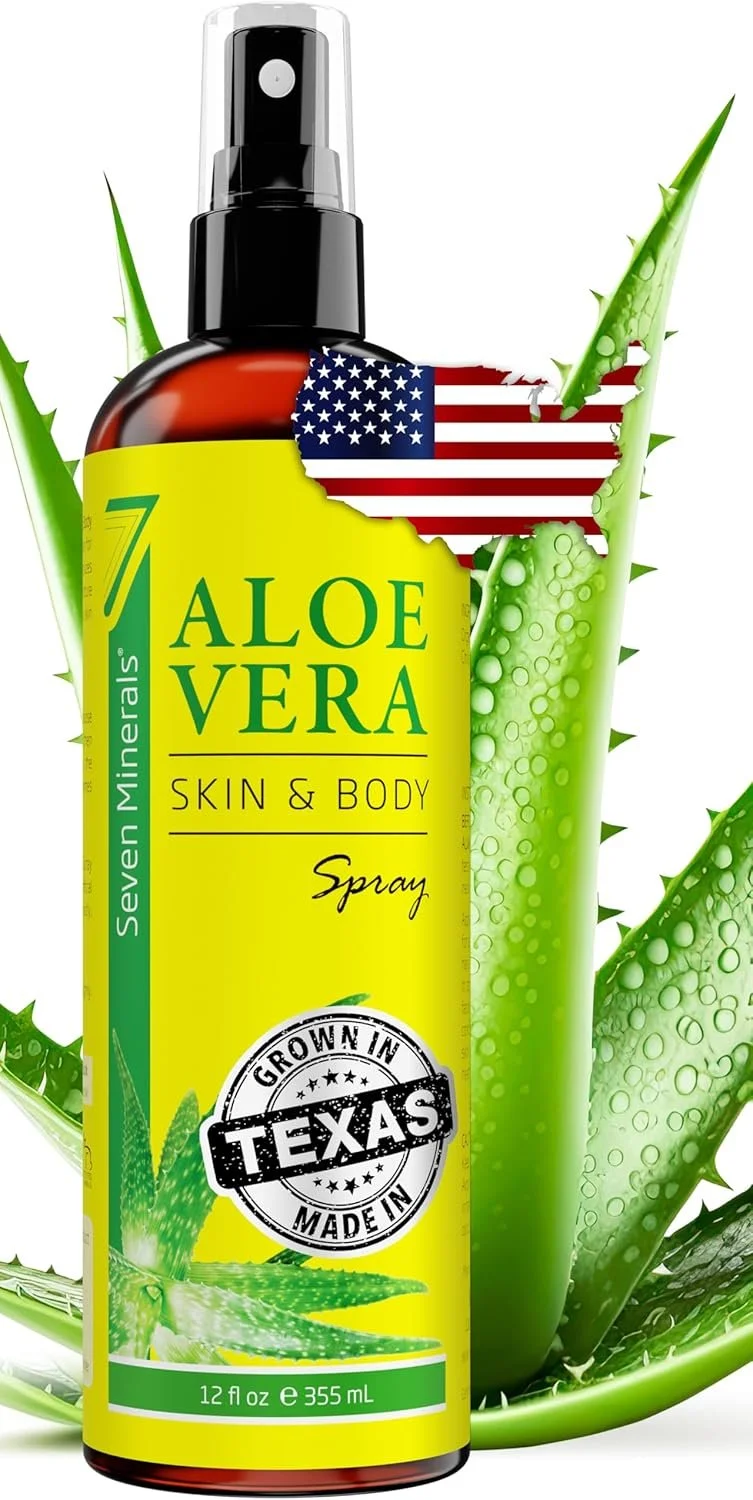
Seven Minerals Organic Aloe Vera Spray
a pure aloe vera spray providing a convenient light application format. The spray format is particularly useful for scalp and hard-to-reach areas. Check current ingredients before purchasing to confirm fragrance-free status.
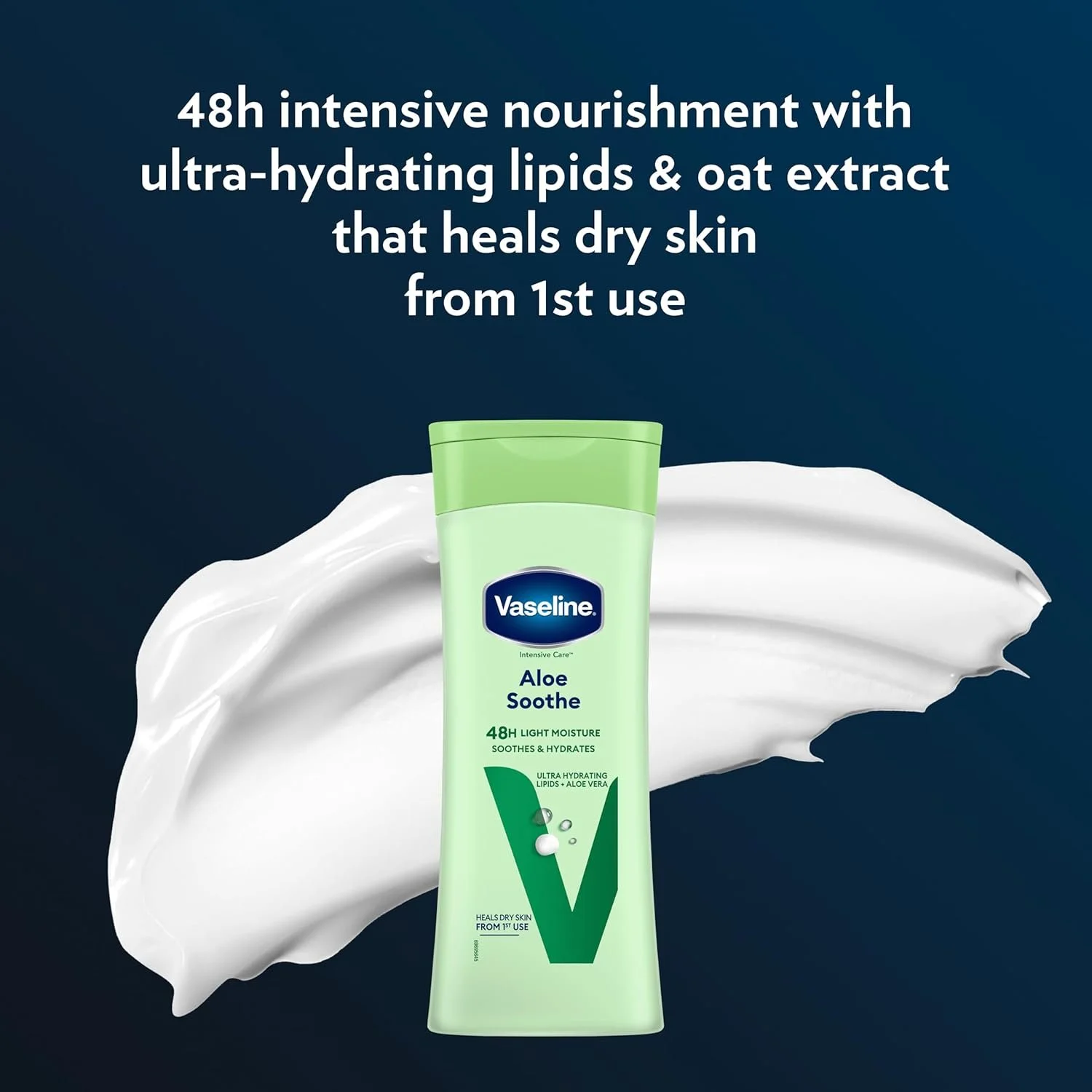
Vaseline Intensive Care Aloe Soothe Body Lotion
a well-formulated aloe-containing body lotion with Vaseline's established emollient base. The combination of aloe's soothing properties and a proper moisturising base makes this more appropriate for daily body use than pure gel alone.
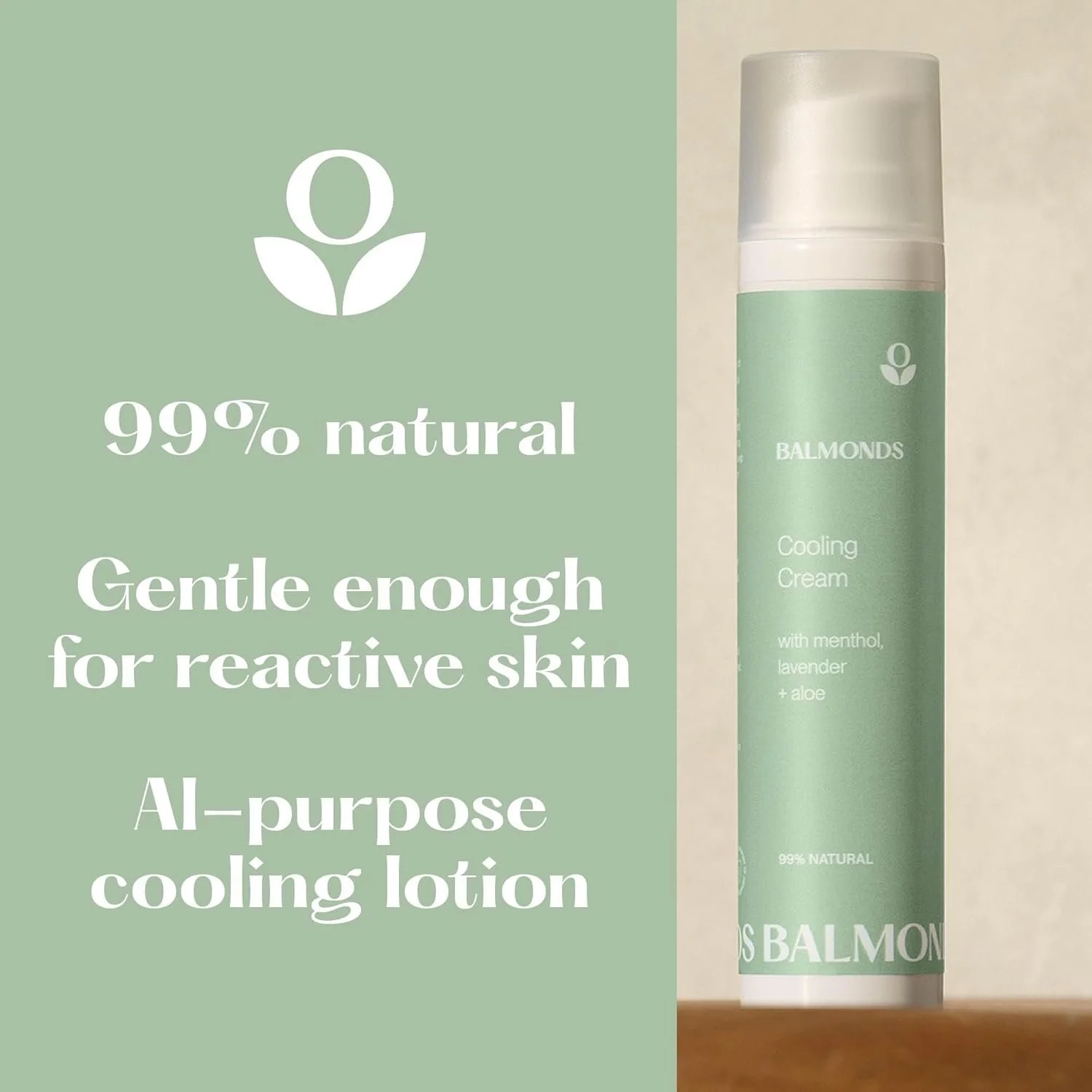
Balmonds Cooling Cream
a skin-calming cream formulated specifically for eczema and psoriasis-prone skin. Contains aloe alongside menthol for additional cooling effect. Well-suited for managing itch between flares. Patch test first given the menthol content.
Aloe Vera vs. Moisturiser: Which Is Better?
Aloe vera is not a replacement for a proper moisturiser. It provides soothing and short‑term hydration, but it doesn’t lock in moisture well on its own.
For long‑term eczema management, pair aloe with a moisturiser containing:
ceramides
shea butter
glycerin
petrolatum
This combination strengthens the skin barrier — something aloe alone can’t do.
When aloe vera helps eczema most
Post-flare soothing. After an active flare has settled, aloe vera's cooling and anti-inflammatory properties are well-suited for the calming, redness-reducing phase. Applied to recently calmed skin, it provides comfort alongside barrier support from subsequent emollient application.
Heat and itch relief. The cooling effect of chilled aloe gel on inflamed, itching skin provides immediate, safe, non-pharmacological comfort. This is particularly useful for managing nighttime itch — applying aloe kept in the fridge before bed provides temporary relief without medication.
Scalp eczema. As mentioned in the eczema facials article and relevant here too, pure aloe vera gel on the scalp can reduce seborrhoeic eczema-related itching and flaking. Its light texture is well-suited to scalp application.
As a base layer before emollient. Applied thinly to slightly damp skin before a heavier emollient, aloe vera's humectant-like properties help bind surface moisture, which the subsequent emollient then seals in.
What about drinking aloe vera?
Oral aloe vera — typically as a processed inner-leaf juice — is promoted for gut health and by extension the gut-skin axis. The evidence is very limited for eczema specifically. Some small studies have found digestive benefits from aloe vera juice, which could plausibly influence the gut-skin relationship, but this evidence is considerably weaker than for topical use. If trying oral aloe, choose products specifically made from inner-leaf gel (which has had the laxative-effect aloin removed) and start with small amounts.
When aloe vera doesn't help — and when to avoid it
During active flares with broken skin. Aloe vera on acutely inflamed, cracked, or weeping eczema can cause stinging. The plant compounds — including aloin traces and certain flavonoids — are mildly acidic and can irritate open skin. Wait until the acute flare has settled before introducing it.
Commercial "aloe vera" products with alcohol and fragrance. This is the most important practical consideration. Many mainstream products labelled "with aloe vera" contain alcohol (which strips and dries), fragrance (common contact allergen), and very low actual aloe content — sometimes as low as 1–2% despite the prominent aloe branding. These products produce none of the benefits described above and may actively irritate eczema-prone skin.
Asteraceae plant allergy. Aloe belongs to the Asphodelaceae family rather than Asteraceae, but it does cross-react with plants in the Liliaceae family. More relevantly, some people develop contact sensitisation to aloe vera itself with repeated use. If aloe vera consistently irritates or worsens eczema rather than helping it, sensitisation is likely — patch test before broad application.
Skin support for eczema-prone skin
Aloe vera addresses the skin surface — it doesn't reach the immune dysregulation, nutritional deficiencies, or gut microbiome imbalances that drive eczema internally. Vitamin D, zinc, omega-3s, and magnesium address the internal foundations that topical application cannot reach.
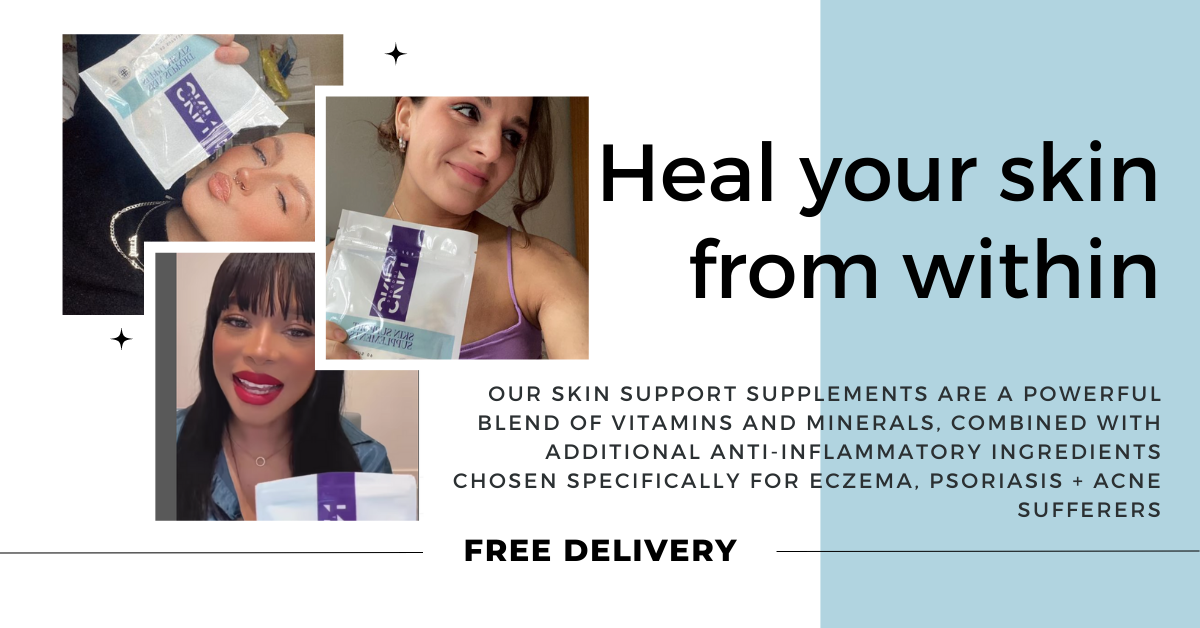
Drought's Skin Support Formula provides 14 nutrients selected for their roles in skin barrier function and immune regulation — complementing topical care like aloe vera with the internal nutritional support that addresses eczema at its roots. Made in the UK, suitable for vegetarians, designed for consistent long-term daily use.
FAQs: Aloe vera and eczema
Does aloe vera cure eczema?
No — eczema is a chronic condition. Aloe vera may help soothe symptoms but is not a cure.
Does aloe vera soothe eczema?
Yes — acemannan and anti-inflammatory compounds in pure aloe vera gel have documented soothing and anti-inflammatory effects on eczema-prone skin. Effect is modest but genuine.
Can aloe vera make eczema worse?
It can on broken skin (stinging from plant compounds) or if the product contains alcohol or fragrance. Sensitisation to aloe itself is possible with repeated use — patch test first.
How do I know if my aloe vera product is pure enough for eczema?
Check that the ingredient list begins with Aloe barbadensis leaf juice or gel and contains no alcohol, parfum, or added fragrance. High aloe content (95%+) is what provides therapeutic benefit.
Is chilled aloe vera better for eczema itch?
Yes — cooling the gel before application enhances the immediate itch-relieving effect without any additional risk.
Does aloe vera help eczema itching?
Yes — many people find aloe temporarily reduces itchiness thanks to its cooling, anti‑inflammatory properties.
How often should I use aloe vera?
You can use it once or twice daily, depending on how your skin responds.
Is drinking aloe vera good for eczema?
Evidence is very limited. Some digestive benefits have been reported, which might influence the gut-skin axis, but this is considerably weaker evidence than for topical use.
Is aloe safe for children with eczema?
Generally, yes, as long as the product is fragrance‑free and patch‑tested first.
Can I use aloe during a flare‑up?
On mild flares without broken skin, cautiously yes. On acutely inflamed, cracked, or weeping skin, wait until the acute phase has settled.
Final thoughts
Aloe vera has specific and documented properties relevant to eczema — acemannan polysaccharide for wound healing and anti-inflammatory activity, antioxidant flavonoids, and immediate cooling hydration. Clinical evidence supports modest but genuine improvements in itch, dryness, and scaling with consistent topical use. Its most appropriate role is post-flare soothing, heat and itch relief, and as a light base layer before emollient application. Commercial products with alcohol and fragrance negate these benefits entirely — pure, fragrance-free, alcohol-free gel is essential. Patch test before broad use, and avoid on acutely broken skin.
Aloe vera can be helpful for short-term relief—but it’s not a complete solution for eczema.
If your skin keeps flaring up, it may be time to look beyond surface treatments and support your skin from the inside out.
Start your skin support journey →
Written by the Drought Skin team — specialists in natural support for psoriasis and eczema.
Disclaimer: This article contains affiliate links. We earn a very small commission from each purchase made through these links. There is no additional cost to you. All products featured have been specifically selected as products we personally use and love. For further information, please see our disclaimer page.
